






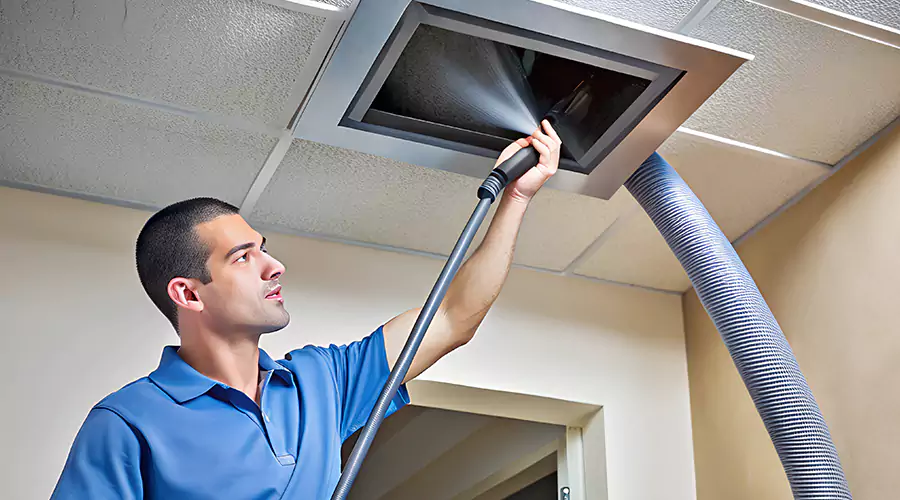
Air duct cleaning can help remove dust, debris, pet hair, and buildup from inside your duct system. However, cleaning does not fix every duct problem. Sometimes the real issue is not dirty ductwork. It may be damaged, leaking, loose, disconnected, crushed, or poorly sealed ductwork that needs repair.
Many homeowners schedule air duct cleaning because they notice dust, weak airflow, uneven temperatures, or higher energy bills. In some cases, cleaning may help. But if the ducts are damaged, the same problems can return quickly. That is why it is important to know the difference between dirty ducts and ducts that need repair.
This guide explains the most common signs your air ducts need repair, not just cleaning.
Why Air Duct Repair Matters?
Your air ducts move heated and cooled air from the HVAC system to each room. When the ductwork is in good condition, air moves more evenly and efficiently. When ducts are damaged or leaking, conditioned air can escape before it reaches the room.
Damaged ducts can also pull dusty air from attics, crawl spaces, basements, garages, or wall cavities. This can affect comfort, air quality, and HVAC performance.
Air duct repair helps fix problems such as leaks, gaps, loose connections, crushed sections, poor sealing, and disconnected ducts.
1. Some Rooms Feel Too Hot or Too Cold
Uneven room temperatures are one of the most common signs of duct problems. If one room feels warm while another feels cold, the ductwork may not be delivering air properly.
This can happen when a duct is leaking, blocked, crushed, or disconnected. Cleaning may help if debris is causing the airflow problem, but it will not fix a damaged duct section.
You may need duct repair if:
- One room always feels uncomfortable
- Airflow feels strong in one room but weak in another
- Temperature changes do not match thermostat settings
- The problem continues after changing the air filter
- The room has never heated or cooled properly
A duct inspection can help determine whether the problem is dirt buildup or damaged ductwork.
2. Airflow Feels Weak From Certain Vents
Weak airflow from one or more vents can mean air is escaping before it reaches the room. This often happens when ducts have holes, gaps, loose joints, or disconnected sections.
If all vents have weak airflow, the issue may be related to the HVAC system, filter, blower, or overall duct design. If only certain vents are weak, a duct repair issue is more likely.
Weak airflow can also make your HVAC system run longer because the rooms are not reaching the right temperature.
3. Your Energy Bills Are Increasing
Leaky or damaged ducts can waste heated and cooled air. When air escapes into an attic, crawl space, or wall cavity, your HVAC system must work harder to keep the home comfortable.
This can lead to higher energy bills without a clear reason. If your usage habits have not changed but your bills keep rising, duct leaks may be part of the problem.
Air duct cleaning will not stop air loss from leaks. Duct sealing or repair may be needed to improve efficiency.
4. You See Visible Damage on Ductwork
If you can access ductwork in an attic, basement, garage, or crawl space, look for visible signs of damage. Ducts should be connected, supported, sealed, and free from major dents or holes.
Visible warning signs include:
- Loose duct sections
- Disconnected ducts
- Crushed flexible ductwork
- Torn duct material
- Missing insulation
- Gaps at joints
- Damaged tape or sealant
- Sagging duct runs
- Rust on metal ducts
If the ductwork looks damaged, repair is likely needed before cleaning can provide lasting results.
5. Dust Keeps Coming Back After Cleaning
If your home becomes dusty again shortly after cleaning, the duct system may be pulling in dust from outside the conditioned living space. Leaky return ducts can pull air from dusty attics, crawl spaces, or wall cavities.
This can cause dust to circulate through your home even if the ducts were recently cleaned.
Signs of this problem include:
- Dust around vents
- Dusty furniture soon after cleaning
- Dirty filters faster than normal
- Dusty smells when HVAC starts
- Dust near return grilles
In this case, duct sealing or repair may be more important than another cleaning.
6. You Hear Rattling, Whistling, or Popping Sounds
Air ducts can make some normal sounds as air moves through them. However, loud or unusual sounds may point to duct problems.
Whistling may mean air is escaping through small gaps or leaks. Rattling may happen when duct sections are loose. Popping sounds may come from pressure changes, poor duct sizing, or metal ducts expanding and contracting.
If the sounds are new, loud, or coming from one area, a professional inspection is a good idea.
7. There Are Musty or Unusual Odors From Vents
Musty odors from vents may come from dirty ducts, but they can also come from duct leaks. If ductwork pulls air from a damp crawl space, attic, basement, or wall cavity, the odor can move through the HVAC system.
Duct repair may be needed if odors are caused by:
- Leaky return ducts
- Moisture near ductwork
- Damaged ducts in crawl spaces
- Pest activity inside duct sections
- Disconnected duct runs pulling dirty air
Cleaning can remove odor causing buildup, but leaks must be fixed to prevent the smell from returning.
8. You Notice Pest Activity Near Ducts
Pests can damage ductwork, especially flexible ducts in attics and crawl spaces. Rodents may chew duct material, pull insulation, or leave droppings and nesting material near ducts.
Warning signs include:
- Scratching sounds near vents
- Droppings near ductwork
- Torn duct insulation
- Bad odors from vents
- Debris inside vent openings
- Pest activity in attic or crawl space
If pests have damaged the ducts, cleaning alone is not enough. Pest control, duct cleaning, and duct repair may all be needed.
9. The HVAC System Runs Longer Than Usual
If your HVAC system runs for long periods but the home still feels uncomfortable, duct damage may be reducing system performance. Air may be leaking before it reaches the rooms, or the duct layout may be causing poor airflow.
This can place extra strain on the HVAC system and may lead to higher utility costs. A duct inspection can help identify whether air loss or duct damage is part of the issue.
Air Duct Cleaning vs Air Duct Repair
Air duct cleaning removes dust, debris, and buildup from inside the duct system. Air duct repair fixes physical problems with the ductwork.
You may need cleaning if the ducts contain visible dust, debris, pet hair, remodeling dust, or odor causing buildup. You may need repair if the ducts are leaking, loose, disconnected, crushed, poorly sealed, or damaged by pests.
In many homes, both services may be helpful. Cleaning improves the inside of the duct system, while repair improves how air moves through it.
Final Thoughts
Your air ducts may need repair, not just cleaning, if you notice weak airflow, uneven room temperatures, higher energy bills, visible duct damage, recurring dust, unusual duct noises, musty odors, pest activity, or long HVAC run times.
Cleaning can help when ducts are dirty, but it cannot fix leaks, gaps, crushed ducts, or disconnected sections. A professional duct inspection can help identify the real cause and recommend the right solution. If your duct system is damaged, air duct repair can improve airflow, comfort, efficiency, and indoor air quality.